Silicone vs TPU vs polycarbonate iPhone cases - what each material actually does, what it doesn't, and which one wins for your use case. Complete material guide with comparison table.
Creslia Editorial · Material Science Guide
The three most common iPhone case materials explained clearly - what each one actually does for grip, drop protection, yellowing resistance, MagSafe, and daily feel. Plus hybrid builds, aramid composites, and the honest answer about which one wins.
Polycarbonate (PC) is the best single iPhone case material for most people - rigid, lightweight, non-yellowing, MagSafe-compatible, and slim. For maximum drop protection, a hybrid TPU+PC case is the optimal build: the TPU bumper absorbs impact, the PC back resists scratches and stays clear. Silicone offers the best initial feel and sustained grip but yellows over time and traps lint. TPU alone is affordable and flexible but yellows fastest of the three. Creslia uses aerospace-grade polycarbonate with soft-touch matte coating across its core case lineup - the best single-material choice for everyday MagSafe use.
Walk into any case aisle - physical or digital - and you'll see the same three words repeated endlessly: silicone, TPU, polycarbonate. Sometimes a marketing description says "premium silicone" or "military-grade PC." Occasionally, a brand will mention "aramid composite" or "dual-layer construction."
Most people pick a case based on how it looks or how much it costs, without thinking much about the material. That's understandable. But it turns out the material you choose determines almost everything that matters: how long the case stays clear, how it feels in your hand after three months, whether it works well with MagSafe, and whether it actually protects the phone when you need it to.
This guide breaks all three materials down honestly - what the chemistry actually means for daily use, where each one excels, and where each one falls short. No marketing language. Just the useful stuff.
The Three Core Materials: What They Actually Are
Before comparing properties, it helps to understand what each material actually is at a basic level. The names aren't arbitrary.
Silicone is a synthetic rubber made from silicon, oxygen, carbon, and hydrogen. When used in phone cases, it's typically a liquid silicone rubber (LSR) that's been cross-linked - meaning the polymer chains are chemically bonded to each other, creating a stable, non-reactive structure. This is why silicone doesn't yellow as quickly as TPU - its molecular structure is more resistant to UV-triggered oxidation.
TPU is a thermoplastic elastomer - a material that behaves like rubber at room temperature but can be melted and remolded when heated. This makes it extremely cheap to manufacture, which is why most budget and clear cases use it. TPU is more elastic than silicone and returns to its original shape after deformation. Its critical weakness is photooxidation - UV light and skin oils attack the polymer chains, causing the characteristic yellowing of clear cases.
Polycarbonate is a rigid thermoplastic polymer with an exceptionally high impact resistance for its weight - it's used in bulletproof glass, aircraft canopies, and riot shields at industrial grades. In phone cases, aerospace-grade PC offers the best strength-to-thickness ratio of the three core materials, and its molecular structure resists the UV degradation that causes TPU yellowing. Creslia uses soft-touch matte-coated polycarbonate in its core case lineup - adding anti-fingerprint properties and a premium feel to an already durable material.
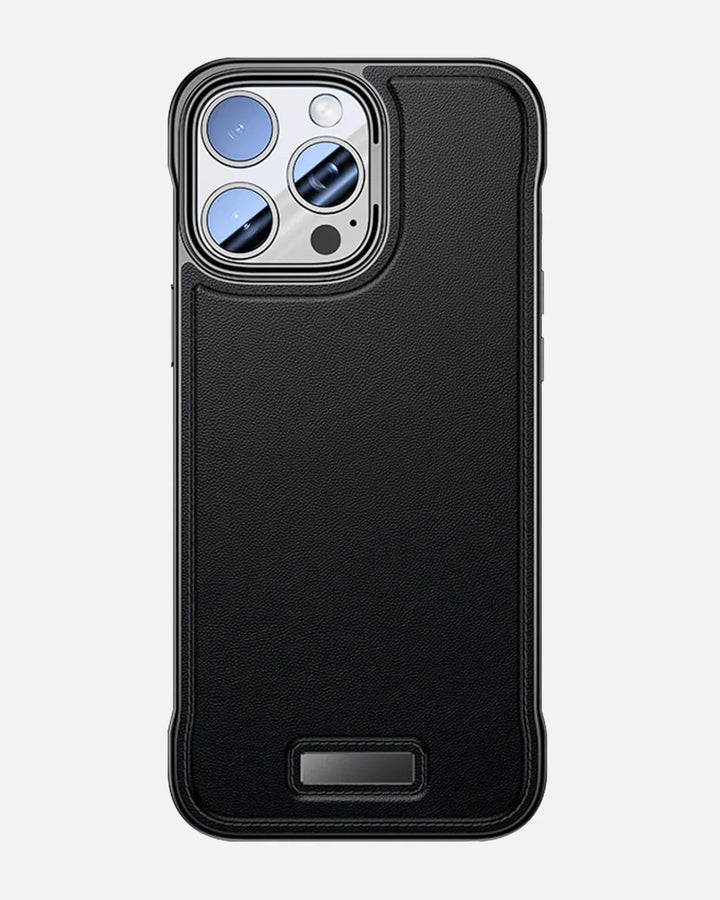
A hybrid case uses TPU for the side bumper rails and inner lining (where flexibility and impact absorption matter most) and PC for the back panel (where rigidity, scratch resistance, and print quality matter). This is why MIL-STD-810G rated cases are almost always hybrid builds - neither material alone offers what both together do. Creslia's Heavy Duty Armor cases and Corrugated Hybrid cases use this construction.
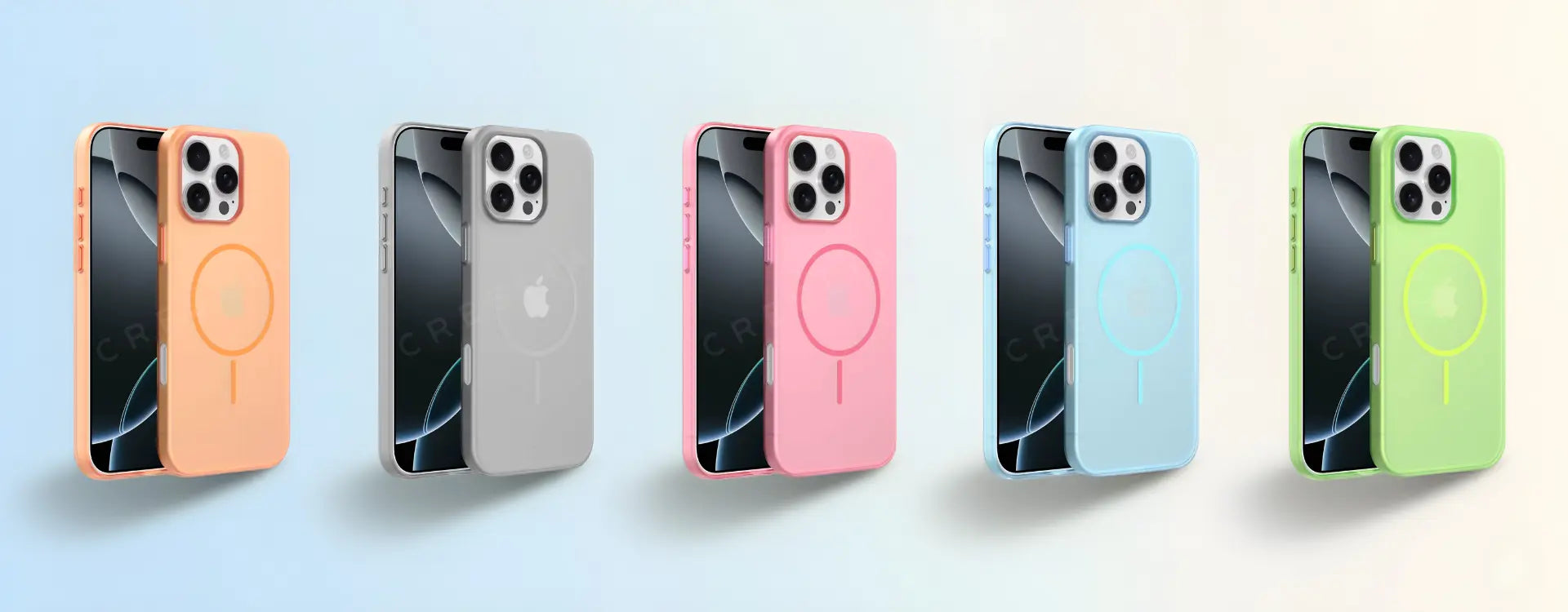
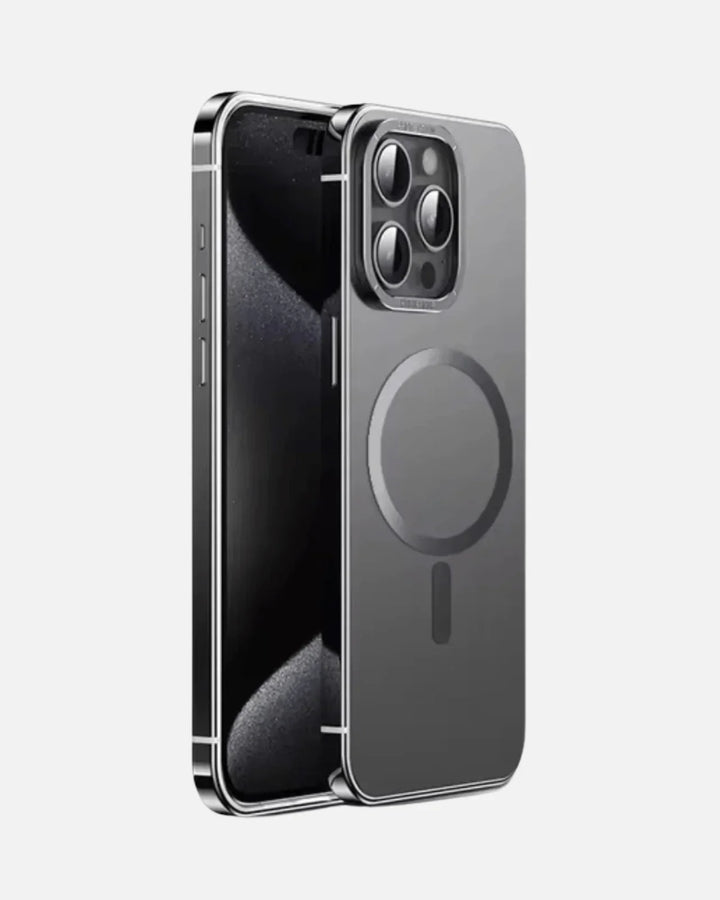
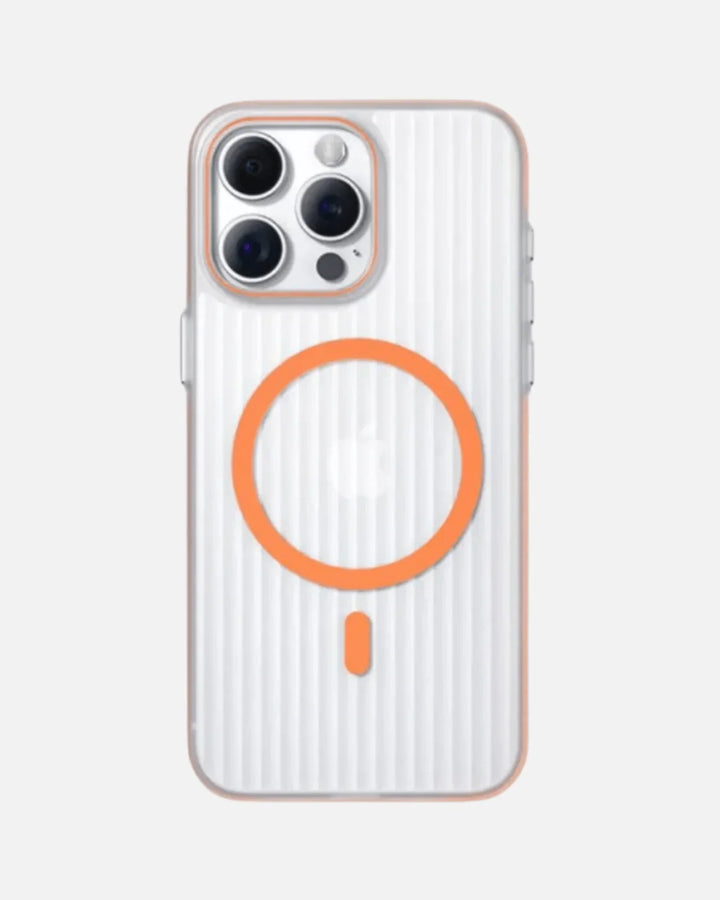
Creslia's Frosted Ultra-Thin cases use aerospace-grade polycarbonate with matte soft-touch coating - 0.35mm, non-yellowing, MagSafe-true. The best single-material build for daily carry.
The Properties That Actually Matter: Head-to-Head
The Yellowing Problem: Why This Matters More Than People Think
Yellowing is the single most visible quality failure in phone cases - and it happens to almost every clear TPU case, usually within three to six months of regular use. Understanding why helps you make smarter material choices.
The process is called photooxidation. UV light from sunlight and artificial lighting attacks the polymer chains in TPU, breaking chemical bonds and generating chromophores - molecules that absorb blue light. When a surface absorbs blue light, it appears yellow to our eyes. Skin oils accelerate this process by introducing reactive compounds that further degrade the polymer surface.
TPU clear cases: Visible yellowing typically begins within 2-4 months. Most look noticeably yellow by 6-8 months. By 12 months, many are deeply discolored at the edges and corners where UV and skin contact is highest.
Silicone cases: More resistant due to the cross-linked polymer structure. Yellowing begins later - often 8-12 months - but colored silicone fades and stains from dye transfer (jeans pockets being a common culprit).
Polycarbonate cases: Rigid PC resists photooxidation significantly better than both. Creslia's frosted PC cases use UV-inhibiting additives in the coating - independent testing shows under 2% yellowness shift after 12 months vs 40%+ for typical clear TPU cases. The matte surface also hides any minor discoloration that does occur.
"The cheapest clear case costs $8. The most expensive clear case costs $50. Both are TPU. Both will yellow at roughly the same rate. Material matters more than price."
Material and MagSafe: Why PC Wins for the Ecosystem
MagSafe performance is directly tied to case material and thickness. Apple's guideline for optimal MagSafe charging is cases under approximately 2.1mm. Here's how each material plays into that:
Polycarbonate: The best MagSafe material. Rigid PC stays thin (Creslia's frosted cases hit 0.35mm), stays well under the 2.1mm threshold, and doesn't interfere with the magnetic field. N52 magnetic rings embedded in PC cases maintain their field strength reliably.
Silicone: Functional with MagSafe, but silicone cases are typically 1.5-2.5mm to achieve protection, sitting at or near the threshold. Charging still works, but the extra thickness can slightly reduce the snap force for wallets and mounts.
TPU: Works with MagSafe at thin builds, but thick TPU cases (2mm+) can attenuate the magnetic field enough to reduce charging efficiency and weaken accessory snap.
In daily MagSafe use, the material difference you feel most acutely is the wallet detachment test. With a Creslia PC MagSafe case (0.35mm), a MagSafe wallet holds through normal pocket transit and light handling. With a thick silicone case at 2.5mm, that same wallet detaches more easily in a crowded bag. The magnet field is the same - it's the separation distance that changes the effective holding force.
Full Material Comparison Table
| Property | Silicone | TPU | Polycarbonate (PC) | Hybrid TPU+PC |
|---|---|---|---|---|
| Drop Protection | Good | Good | Good (rigid) | Best |
| Yellowing Resistance | Good | Poor - 2-4 months | Excellent | Good |
| Grip Quality | Excellent (soft) | Good (stretchy) | Good (matte) | Good |
| Lint / Dust Collection | High - attracts | Medium | Low | Medium |
| MagSafe Compatibility | Moderate (bulk) | Variable (thickness) | Optimal (slim) | Good |
| Slim Profile | Thicker build | Medium | Thinnest possible | Thicker |
| Button Feel | Soft - can muffle | Soft - stretches | Clicky - no stretch | Good (PC covered) |
| Longevity (appearance) | Good (fades slowly) | Poor (yellows fast) | Excellent | Good |
| Heat Dissipation | Poor (insulates) | Moderate | Good | Good |
| Print/Color Quality | Limited | Good for clears | Best for prints | Good (PC panel) |
| Typical Price Range | $$-$$$ | $-$$ | $$-$$$ | $$-$$$ |
| Best Use Case | Premium feel buyers | Budget / clear | Everyday carry + MagSafe | Drop protection |
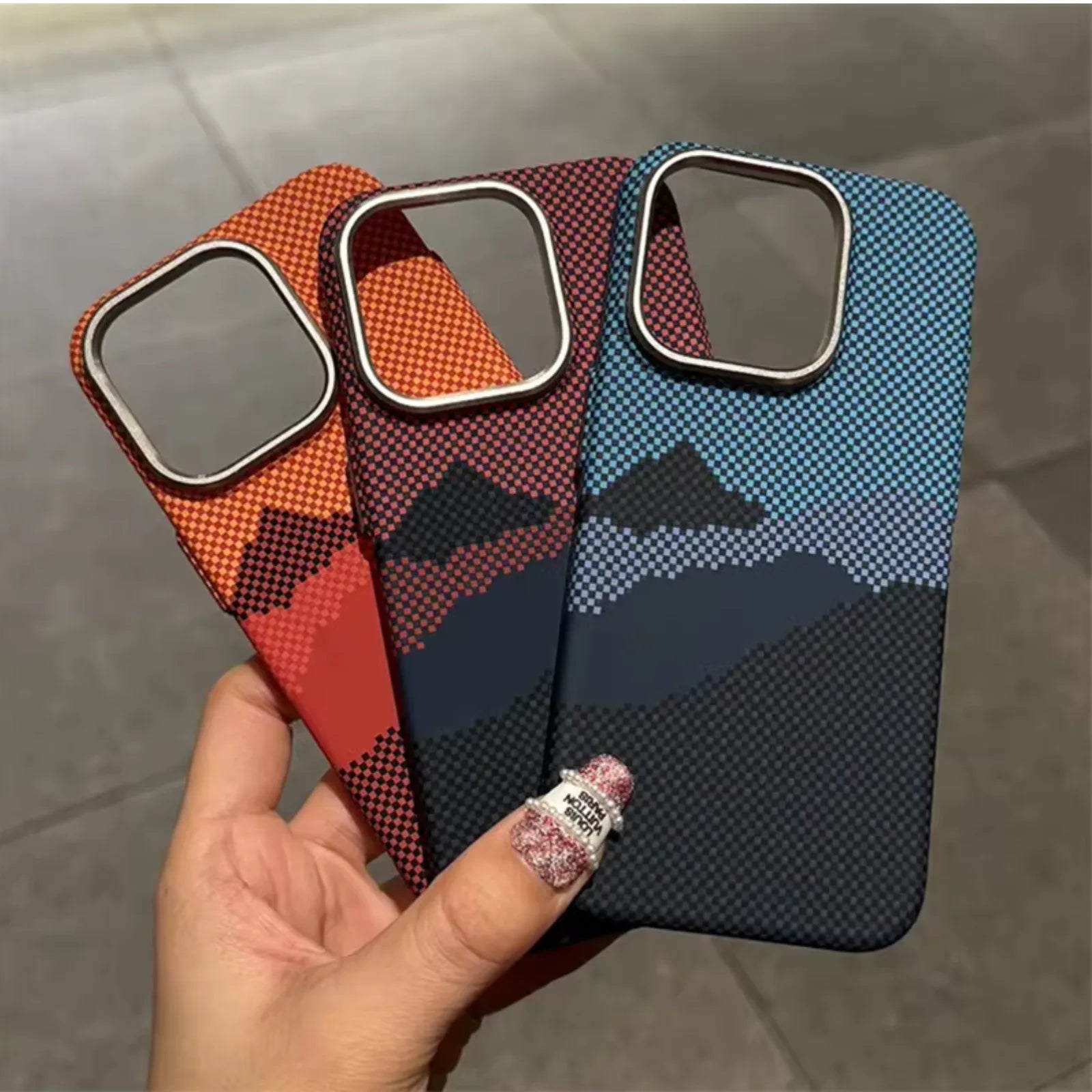
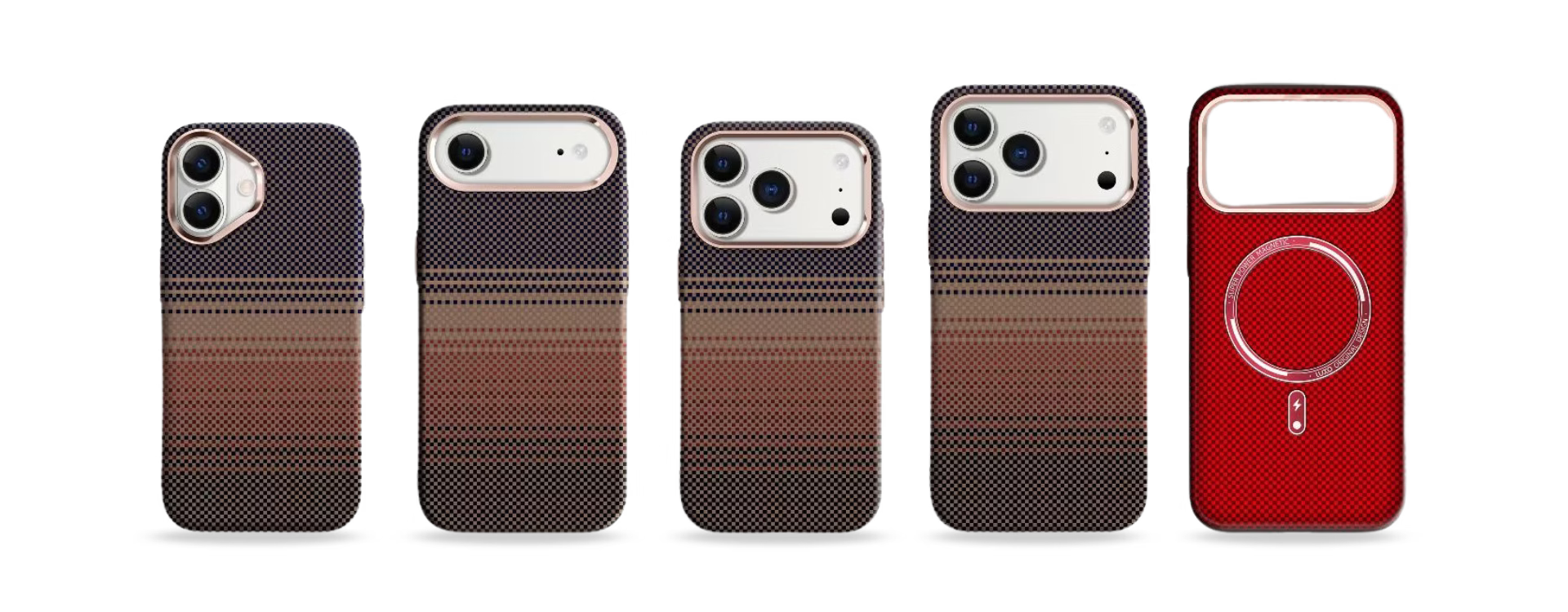
Creslia's case lineup spans PC-only builds (frosted ultra-thin), hybrid TPU+PC (armor), and aramid composite (carbon fiber) - each material matched to its optimal use case.
Which Material Is Right for You?
Creslia's PC-Based Cases: The Material Advantage in Practice
Every core Creslia case is built on aerospace-grade polycarbonate. That's a deliberate choice, not just a marketing line. PC allows Creslia to hit the 0.35mm profile on the Frosted Ultra-Thin while maintaining MagSafe ring integrity, drop resistance, and surface quality that holds for 12+ months without yellowing or deforming.
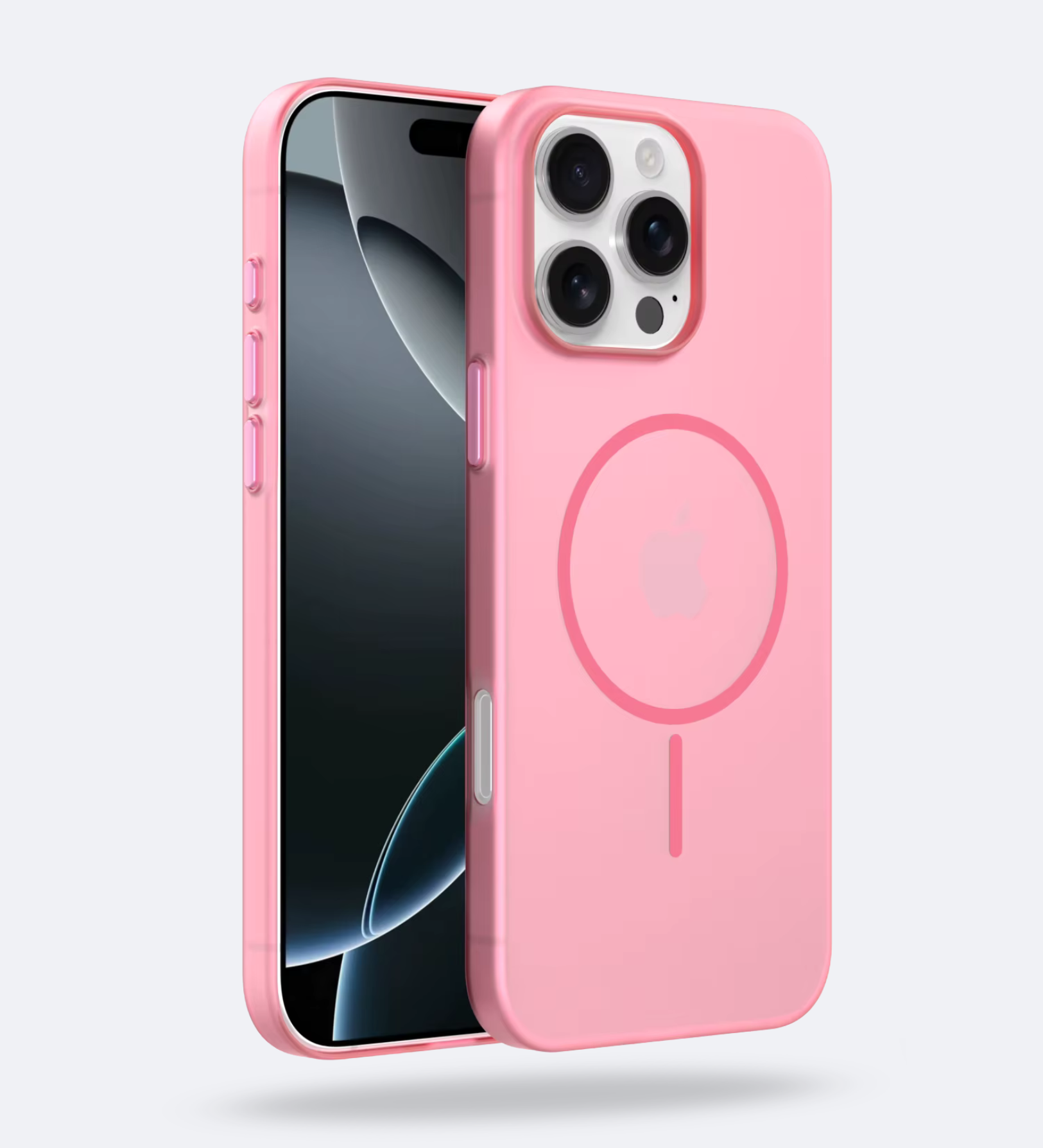
⭐ Best PC-Only Build
Frosted Ultra-Thin iPhone Case with MagSafe - 0.35 mm
$24.99 $39.99
Aerospace-grade polycarbonate with frosted matte soft-touch coating. Anti-fingerprint. Anti-yellowing. MagSafe-true N52 ring. 2.2mm camera guard, 1.2mm screen lip. The definitive PC slim case. Five colors, iPhone 11-17 Pro Max.
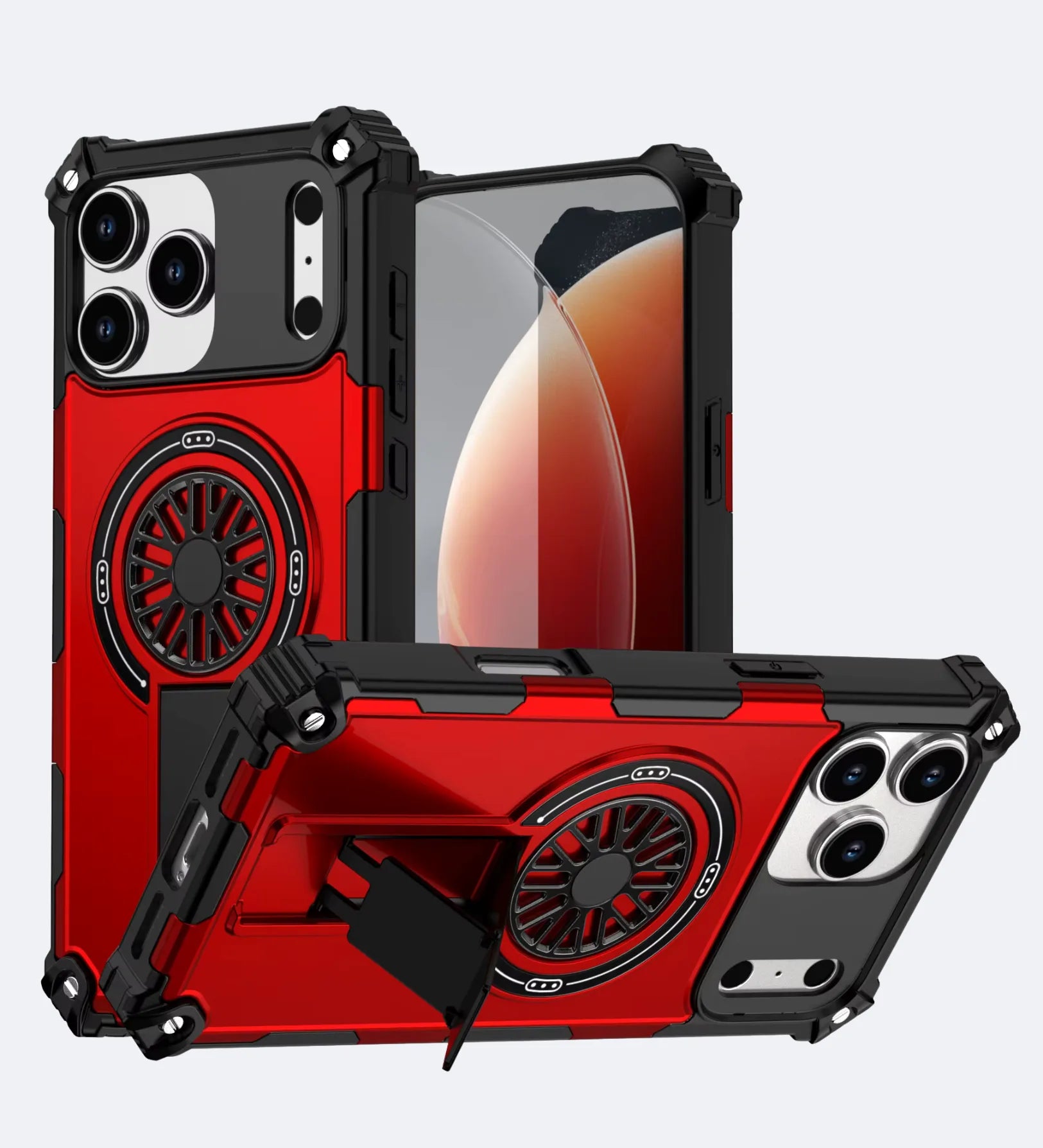
🛡️ Best Hybrid TPU+PC Build
Heavy Duty Magnetic Armor Case with Kickstand & Spin Wheel
$19.99
Dual-layer TPU+PC hybrid construction with reinforced corner impact zones. MIL-STD-810G drop rating. Built-in kickstand for hands-free viewing. Available in Red, Blue, Grey. The definitive hybrid case at an honest price.
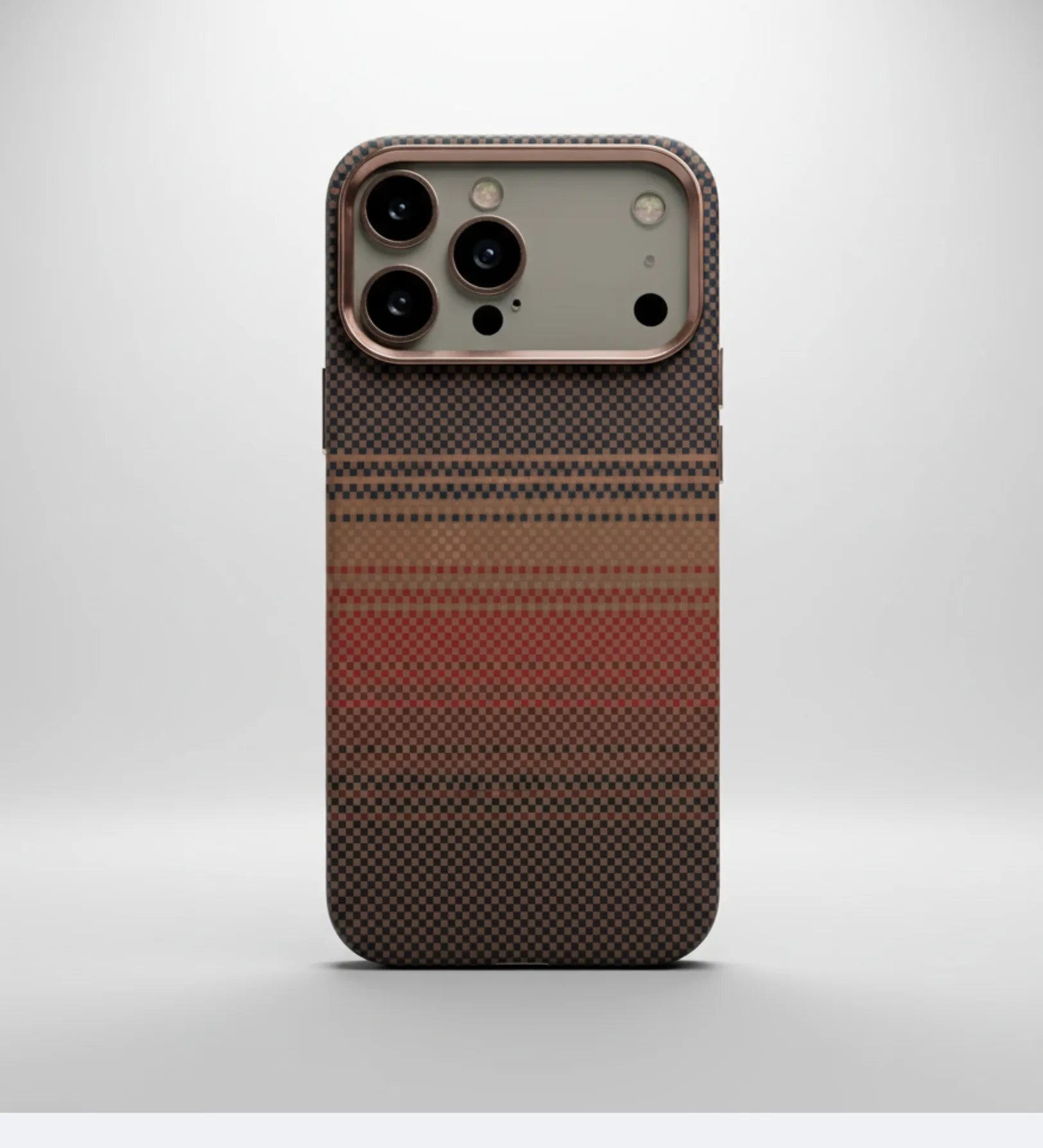
✦ Best Aramid Composite Build
Carbon Fiber MagSafe Cases - 4 Designs
$29.99
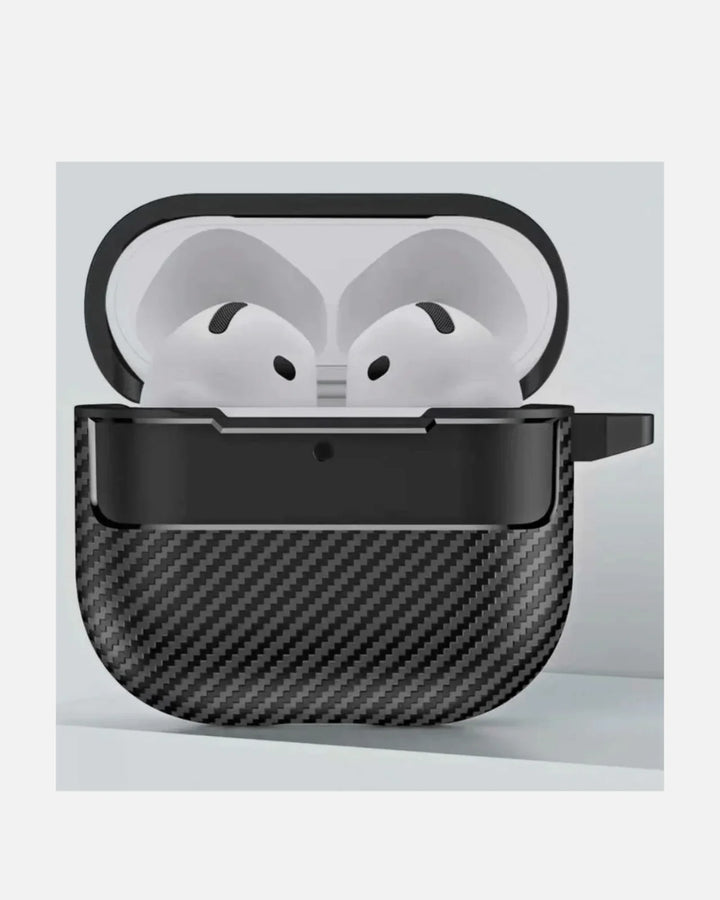
Aramid-style composite texture on aerospace-grade PC - the best of both: woven tactile grip of carbon fiber composite, structural integrity of polycarbonate. MIL-STD-810G, N52 MagSafe, metal camera bumper. Classic Plaid, Knitted Pattern, Mountain Horizon, Racing Stripes.
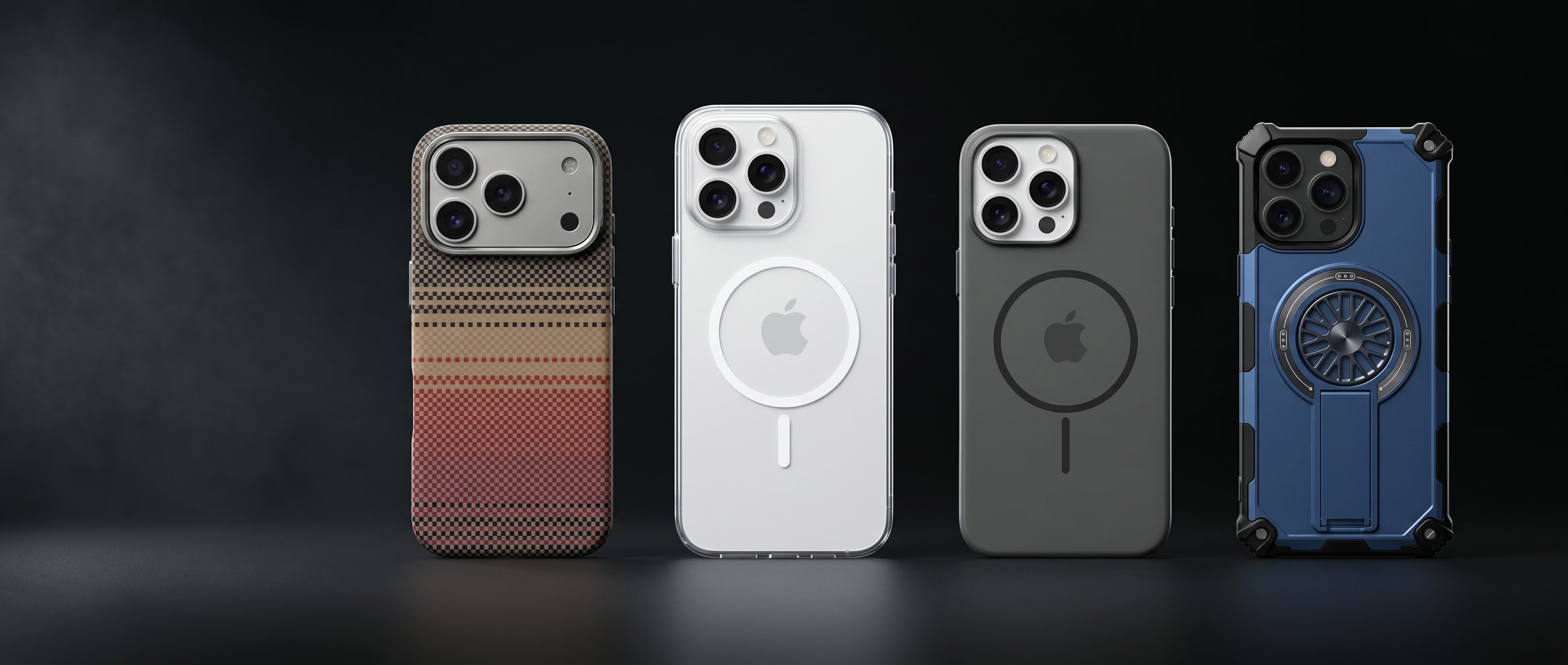
Creslia's complete material range - 0.35mm aerospace PC (ultra-thin), hybrid TPU+PC (armor), and aramid composite PC (carbon fiber) - each priced honestly and shipped same day from Iselin, NJ.
Frequently Asked Questions
What is the best material for an iPhone case?
Polycarbonate (PC) is the best single material for everyday iPhone cases - non-yellowing, slim, scratch-resistant, and optimal for MagSafe. For maximum drop protection, a hybrid TPU+PC build is better. For premium tactile feel above all else, high-quality silicone wins. Creslia uses aerospace-grade PC across its core lineup - see the full range at creslia.com/collections/iphone-cases-covers.
Does silicone or TPU yellow faster?
TPU yellows significantly faster. Clear TPU cases can show visible yellowing within 2-4 months. Silicone resists yellowing better due to its cross-linked molecular structure, though it can stain and fade differently. Polycarbonate is most resistant to yellowing of all three - especially with UV-inhibiting coating. See Creslia's guide: Why Do Clear Phone Cases Turn Yellow?
Is silicone or polycarbonate better for iPhone cases?
Polycarbonate wins for most people - slimmer, non-yellowing, MagSafe-optimal, and scratch-resistant. Silicone wins for pure tactile grip and feel. If you're in the MagSafe ecosystem or prioritize a case that looks the same in 12 months as day one, choose PC. If you specifically love the soft, grippy feel of high-quality silicone and don't mind lint collection, silicone is your material.
What is TPU in phone cases?
TPU stands for thermoplastic polyurethane - a flexible polymer used in most clear and budget phone cases. It offers good impact absorption and is cheap to manufacture. Its main weakness is yellowing: TPU undergoes photooxidation under UV light and skin oils, typically turning visibly yellow within 2-6 months. Many quality cases use TPU only as a bumper material in a hybrid PC+TPU build.
Does polycarbonate crack easily?
No. Polycarbonate is one of the most impact-resistant engineering plastics - used in bulletproof glass and aircraft components at industrial grades. In phone cases, aerospace-grade PC absorbs impact without cracking under normal drop scenarios. It's more brittle at sharp point impacts without a TPU bumper - which is why MIL-spec hybrid cases pair PC back panels with TPU corner guards.
Which phone case material is best for MagSafe?
Polycarbonate is the best MagSafe case material - it's non-ferrous, stays thin (Creslia's cases hit 0.35mm, far under Apple's 2.1mm MagSafe guideline), and doesn't interfere with the magnetic field. Browse Creslia's full MagSafe case collection.
Why do clear phone cases turn yellow?
Clear TPU cases turn yellow through photooxidation - UV light breaks the polymer chains and generates chromophores (molecules that absorb blue light, making the case appear yellow). Skin oils accelerate this. Polycarbonate resists this process significantly better. Creslia's frosted PC cases use UV-inhibiting coating - showing under 2% yellowness shift after 12 months vs 40%+ for typical clear TPU.
What is a hybrid phone case?
A hybrid case uses two materials in one build - typically a flexible TPU inner frame and bumper (for impact absorption at corners) combined with a rigid PC back panel (for scratch resistance and print quality). This combination achieves better drop protection than either material alone, which is why MIL-STD-810G rated cases are almost always hybrid builds. Creslia's Heavy Duty Armor Case uses this construction at $19.99.
The Bottom Line
Material choice is the most underrated decision in buying a phone case. Price tells you almost nothing - an $8 TPU case and a $45 TPU case will both yellow at roughly the same rate. What matters is understanding what each material actually does, and matching it to what you actually need.
For most people - everyday MagSafe carry, non-yellowing, slim profile - aerospace-grade polycarbonate is the right answer. For drop-prone lifestyles, hybrid TPU+PC with a MIL-spec rating. For premium tactile feel with woven grip, aramid composite on PC. For the cheapest possible protection that doesn't need to last: TPU, with eyes open about the yellowing timeline.
Every Creslia case starts with the right material for its intended use. The Frosted Ultra-Thin at $24.99 is pure aerospace PC - the correct everyday choice. The Armor Kickstand at $19.99 is hybrid - the correct protection choice. The Carbon Fiber at $29.99 is aramid composite on PC - the correct grip and aesthetic choice.