How-To · Care
How to clean a phone case properly, material by material: clear, silicone, leather, and carbon-look. Safe steps, what never to use, and why cases yellow.

Learning how to clean a phone case properly is one of those small skills that saves you money and keeps your phone feeling new - but only if you match the method to the material. The same soapy scrub that's perfect for a clear TPU case can ruin genuine leather, and the alcohol wipe that rescues a silicone case can cloud a clear one. So this guide does it the right way: one safe core method, then a material-by-material breakdown, a scannable list of what to never do, and the honest truth about why clear cases turn yellow. Follow it and your case stays fresh; ignore it and you can do real damage.
Take the phone out of the case. For most materials, clean with mild soap and warm water on a soft cloth or soft toothbrush; scrub textured cases gently, rinse, and air-dry fully before putting the phone back. Never use bleach, boiling water, the dishwasher, abrasive pads, acetone, or direct heat. Leather is the exception - damp cloth only, no soap or soaking.
That covers 90% of cases. The details below handle the rest - the per-material nuances, the things that quietly wreck a case, and when a case is simply past saving. (Creslia is an independent brand and isn't affiliated with or endorsed by Apple.)
What You'll Need (Keep It Simple)
The good news is that cleaning a case well takes almost nothing you don't already own. The whole point of doing it the right way is gentleness, so the "kit" is deliberately mild: a bowl of warm water, a drop of mild dish soap, a soft microfiber cloth, and a soft-bristled toothbrush for textured or grippy cases. That's the core of it. For occasional spots you might add a little baking soda (mixed into a paste) and some isopropyl alcohol on a cloth - used sparingly and spot-tested first.
For leather specifically, swap in a dedicated leather conditioner and skip everything wet beyond a barely-damp cloth. And notice what's not on the list: no bleach, no all-purpose sprays, no scouring pads, no solvents. The temptation is always to reach for something stronger when a case looks grimy, but stronger almost always means more damaging. A soft cloth and patience beat a harsh chemical every single time, and they won't leave anything questionable sitting against the back of your phone afterward.
One small upgrade to the kit is worth mentioning: an old soft toothbrush, dried and set aside just for cleaning, is the single most useful tool here. Its bristles get into the lip around the screen, the button cutouts, the speaker grille area of the case, and the texture of a grippy or silicone case - all the spots a flat cloth glides right over. Keep it with your microfiber cloth and you've got everything you need for any case material, no special "phone-cleaning kit" purchase required.
The Core Method (Works for Most Cases)
Before the material-specific tricks, here's the safe, universal routine. It's gentle enough not to harm anything and effective for everyday grime.
-
Take the phone out of the case
Always separate them first. Clean the phone on its own with a soft, barely-damp cloth - never soak the phone, and keep moisture away from the ports.
-
Identify the material
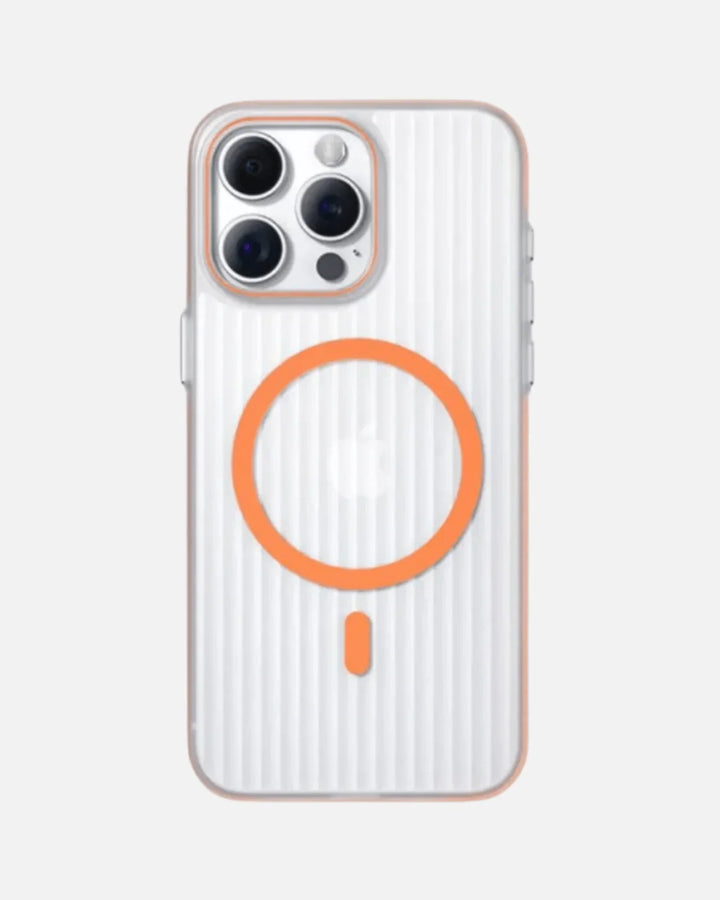
Is it clear TPU, hard polycarbonate, silicone, leather, or an aramid "carbon-look" composite? Each cleans differently, and that one detail decides everything that follows.
-
Use the right method for that material
Apply the matching method from the next section. The default safe cleaner for most cases is a little mild dish soap in warm water on a soft cloth or soft toothbrush.
-
Rinse and air-dry completely
Rinse where appropriate, then let the case air-dry fully before reattaching the phone. Trapped moisture in seams and cutouts causes odor and grime.
-
Clean regularly
A quick wipe weekly and a deeper clean monthly keeps oils, pocket lint, and germs from building up - far easier than rescuing a months-deep mess.
One rule beats every cleaning hack: match the method to the material, and air-dry fully before the phone goes back.
Material by Material
Here's the right approach for each common case material, including what to avoid for each one.
Why does the material matter so much? Because each one reacts differently to moisture, chemicals, and friction. Flexible plastics like TPU shrug off soap and water but can be clouded by the wrong solvent. Silicone is tough but porous-feeling, so it grabs lint and needs a brush to clean properly. Leather is essentially a skin - it dries out, stains, and cracks if you treat it like plastic. And matte composites show scuffs the moment you take an abrasive to them. Using one universal method on all of them is exactly how good cases get ruined, so a few seconds spent identifying the material pays off every time.
Clear TPU & flexible cases
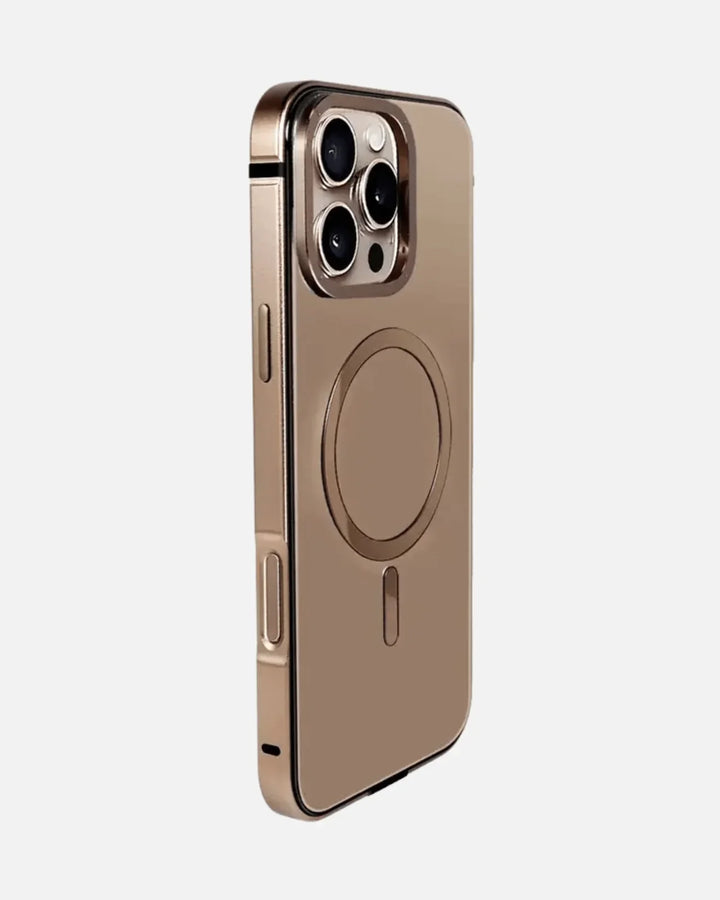
Do: Mild soap and warm water with a soft cloth or soft toothbrush; rinse and air-dry. For spots, a gentle baking-soda paste. For stubborn marks, a little isopropyl alcohol on a cloth - but spot-test first, since alcohol can cloud some plastics.
Don't: Expect cleaning to undo yellowing - that's chemical aging, not dirt (more below).
Hard polycarbonate (PC) & rigid cases
Do: A damp cloth with mild soap; a soft brush for textured areas; dry thoroughly.
Don't: Use harsh solvents that dull or haze the finish.
Silicone
Do: Mild soap and water with a soft toothbrush to lift lint and dust (silicone attracts both) and work into the grippy texture; baking-soda paste for stains; rinse and dry.
Don't: Use harsh chemicals or strong alcohol - they dry out and degrade silicone over time.
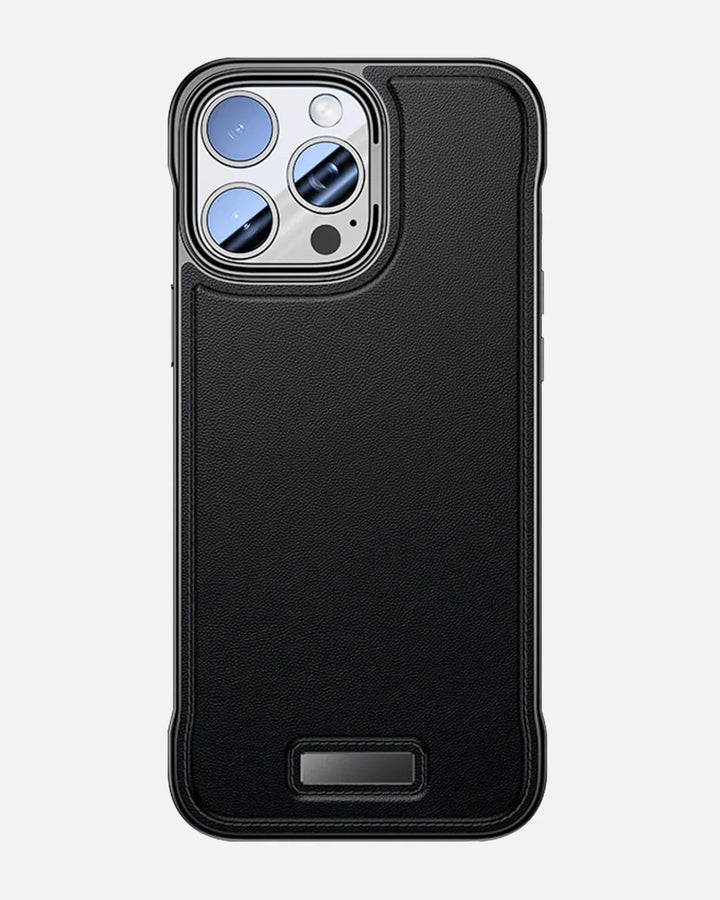
Leather (genuine)
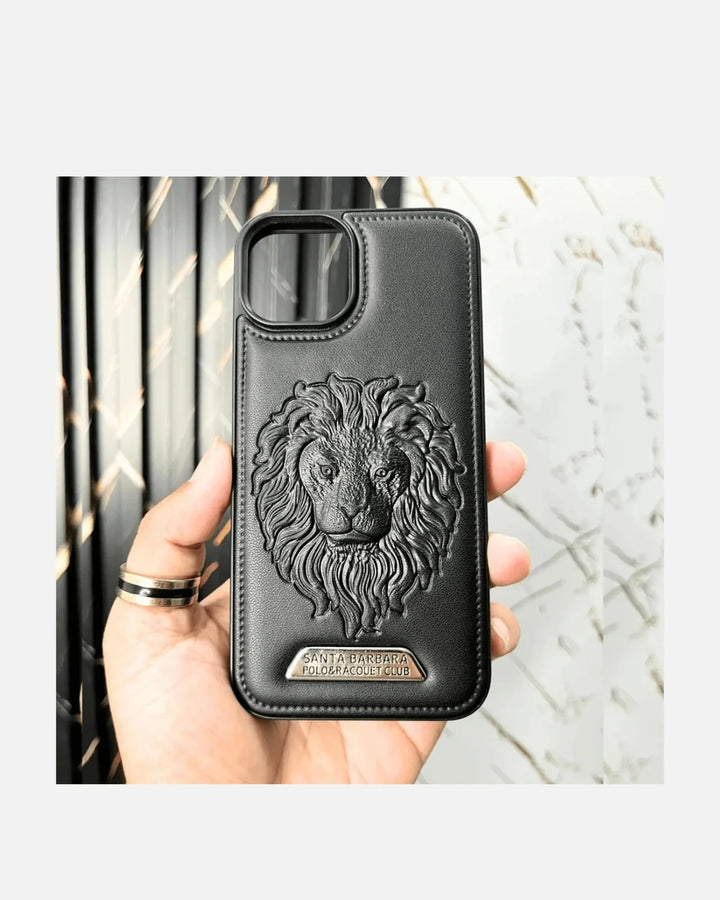
Do: Wipe with a slightly damp (not wet) cloth; use a dedicated leather conditioner sparingly and condition occasionally to prevent drying.
Don't: Soak it, or use soap, alcohol, or heat - they dry, stain, and crack leather.
Leather (faux / PU vegan)
Do: Wipe with a damp cloth and a little mild soap; let it dry. No conditioner needed.
Don't: Soak it or scrub aggressively.
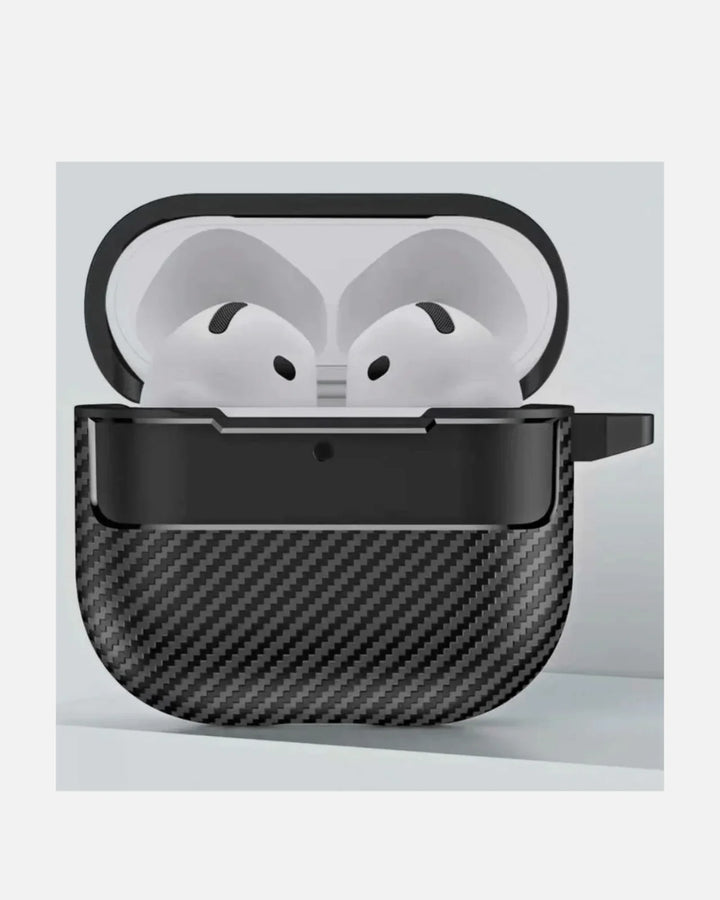
Aramid / "carbon-look" composite
Do: A dry or barely-damp microfiber wipe; mild soap on a damp cloth for spots; dry.
Don't: Use abrasives that scuff the matte weave, and don't soak it. (Note: Creslia's "carbon fiber" cases are an aramid-style, carbon-look composite, cleaned like this - not real carbon fiber.)
Whatever the material, finish the same way every time: dry the case fully and make sure no moisture is hiding in the cutouts or seams before the phone goes back in. That final step is the one most people skip, and it's the one that prevents that musty, grimy build-up later.
The Wrong Way: What to Never Do
This is the part worth screenshotting. These shortcuts feel clever and quietly destroy cases (and sometimes harm your phone). Avoid all of them:
- Bleach or harsh household cleaners - discolor and weaken materials (especially silicone, TPU, leather) and leave residue against your phone.
- Boiling water, the dishwasher, microwave, or any high heat - warps TPU and PC, ruins leather, degrades silicone, and melts adhesives. Never.
- Abrasive scrubbers, scouring pads, or a Magic Eraser - scratch and dull both glossy and matte finishes.
- Acetone, nail-polish remover, or strong solvents - cloud and crack plastics and strip finishes.
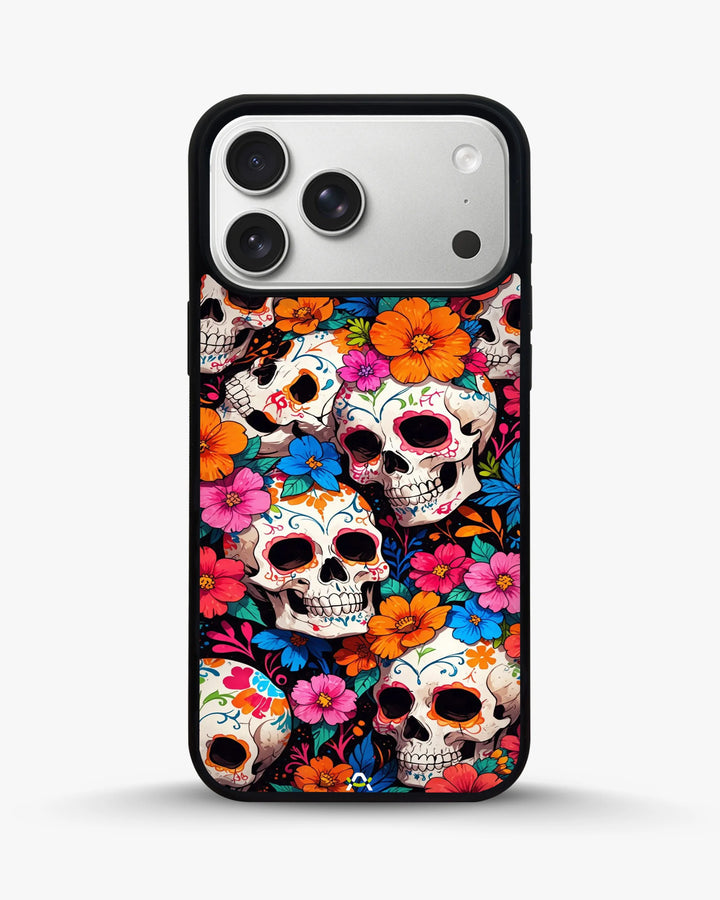
- Hand sanitizer or undiluted alcohol on leather or printed/custom designs - strips dyes, fades prints, and dries leather.
- Hair dryer, radiator, or direct heat to dry - warps the case; always air-dry instead.
- Hydrogen peroxide + sunlight to "un-yellow" a clear case - a popular hack that doesn't reliably work; yellowing is chemical and largely irreversible.
If you remember only one line from this whole guide, make it this: when in doubt, reach for mild soap, water, and a soft cloth - not the cabinet full of strong cleaners. Gentleness wins every time with phone cases.
It's worth understanding why these do damage, because the logic applies to anything not on the list. Harsh cleaners and solvents chemically attack the plastics and finishes, hazing clear materials and stripping protective coatings. Heat - whether from boiling water, a dishwasher's drying cycle, or a hair dryer - softens and warps the polymers cases are molded from, and once a case warps, the fit is permanently off. Abrasives physically remove the top layer of the finish, turning glossy dull and matte shiny in patches. And anything that leaves residue ends up pressed against your phone all day. The common thread is that cases are made of specific engineered materials with limits, and the "fast" cleaning shortcuts all exceed those limits. Slow and mild is genuinely the efficient choice, because it never costs you a case.
The Yellowing Truth (And Why Cleaning Won't Fix It)
Here's the honest answer to the question every clear-case owner eventually asks. Clear cases yellow because of UV light and oxidation, not because they're dirty. Over time, exposure to sunlight, heat, and the oils from your hands triggers a chemical change in the material that gradually shifts it from crystal-clear to a tea-stained yellow. Because it's a change in the material itself - not a layer of grime sitting on top - no amount of cleaning will reverse it.
You'll find plenty of internet hacks claiming otherwise, the most popular being soaking the case in hydrogen peroxide and leaving it in the sun. Save your time: it doesn't reliably work, and you can damage the case trying. A good cleaning will remove genuine dirt and brighten a case that's merely grimy, but a truly yellowed case has aged at the chemical level, and that's permanent.
Some yellowing is slower than others - better clear materials (like anti-yellowing German-made TPU, which Creslia uses in its clear cases) resist it longer - but no clear case stays perfectly clear forever. When yellowing bothers you, the real fix isn't a hack; it's a fresh case.
Why You Should Clean Your Case Regularly
Beyond looks, there's a hygiene reason to keep a case clean. Your phone case goes everywhere your hands and pockets go, so it quietly collects skin oils, pocket lint, makeup, food residue, and the everyday germs that live on anything you touch all day. None of that is cause for alarm - but a case is one of the grimiest things most people never think to clean, and it sits against your face during calls and in your hands constantly.
The fix is refreshingly low-effort: a quick wipe-down once a week and a proper material-appropriate clean about once a month. That rhythm keeps build-up from ever getting established, so cleaning stays a two-minute job instead of a scrubbing ordeal. Textured and grippy cases (and clear ones, where grime shows) benefit most from the regular cadence. Think of it like the case version of washing your hands - small, routine, and genuinely worth it.
An easy way to make it stick is to attach the habit to something you already do. Wipe the case when you charge the phone for the night, or fold the monthly deep-clean into the day you change your bedding or do a desk tidy - any existing routine works as the anchor. A few people like to keep a microfiber cloth in a desk drawer or bag specifically for a ten-second daily wipe of the screen and case, which means the monthly clean barely has anything to do. However you do it, the principle is the same: regular tiny efforts beat occasional heroic ones, and they're far kinder to the case than letting grime cement itself into the texture and seams.
When Cleaning Won't Cut It: Time to Upgrade
Cleaning solves grime, not age. When a clear case has yellowed, leather has dried and cracked, or a finish is permanently scuffed or stretched out, you've hit the limit of what any method can do - and a fresh case is the honest fix. A case is also the cheapest way to make your whole phone feel new again, so it's rarely a tough call.
There's no shame in it, either - cases are consumables by design. They take the daily drops, scuffs, and pocket grime precisely so your phone doesn't, and that protective job naturally wears them out over a year or two of real use. A case that's yellowed or cracked has done exactly what it was supposed to do. Retiring it isn't waste; it's the case finishing its job and a fresh one stepping in to protect a phone you'll likely keep for years.

If your old case is past saving, the matte Frosted Ultra-Thin ($24.99) is an easy, low-maintenance replacement - its soft-touch finish resists fingerprints and wipes clean with a barely-damp cloth, and unlike a glossy clear case there's no crystal clarity to lose to yellowing. Prefer clear? Creslia's clear cases use anti-yellowing German-made TPU that stays clearer longer. Browse the full range in iPhone cases, add a snap-on accessory from MagSafe & charging, and don't forget your earbuds - give your AirPods case the same care (here's our AirPods case cleaning guide). Everything ships free over $49.90, same day before 3 PM ET from New Jersey, with 7-day returns.
Past cleaning? Start fresh
When a case has yellowed or cracked, an upgrade beats any hack. Free shipping over $49.90, same-day dispatch before 3 PM ET from New Jersey, 7-day returns.
Shop iPhone cases →Frequently Asked Questions
How do you clean a phone case?
Take the phone out, use mild soap and water for most materials, scrub textured ones with a soft toothbrush, and air-dry fully; never bleach, boil, or use abrasives. Cleaning the case separately from the phone keeps moisture away from the device, and letting it dry completely before reattaching prevents trapped grime and odor.
How do you clean a clear phone case?
Use mild soap and water or a gentle baking-soda paste, and spot-test a little isopropyl alcohol on a cloth for stubborn marks - but know that yellowing is permanent and won't wash out. Clear cases discolor from UV and oxidation over time, which is a chemical change rather than dirt, so cleaning brightens grime but can't reverse the yellow tint.
Why does my clear case turn yellow, and can I fix it?
It's UV and oxidation aging, not dirt - and it's largely irreversible. The clear material slowly reacts to sunlight, heat, and skin oils, which gradually shifts it yellow. No cleaning method reliably reverses it, and popular hacks like hydrogen peroxide and sunlight don't dependably work, so if the discoloration bothers you, the fix is to replace the case.
How do you clean a silicone phone case?
Use mild soap and water with a soft toothbrush to lift lint and clean the grippy texture, then rinse and dry. Silicone attracts dust and lint, so the soft brush helps work soap into the texture and edges; a baking-soda paste handles stains. Avoid harsh chemicals and strong alcohol, which dry out and degrade silicone over time.
How do you clean a leather phone case?
Wipe genuine leather with a slightly damp cloth and condition sparingly - never soak it or use soap or alcohol, which dry, stain, and crack leather. Faux or vegan leather is more forgiving and just needs a damp cloth with a little mild soap, no conditioner. Either way, let the case dry fully before putting the phone back.
What should you never use to clean a phone case?
Never use bleach, boiling water, the dishwasher, abrasive pads, acetone, or direct heat - they discolor, warp, scratch, or crack the case and can leave residue against your phone. Skip hand sanitizer and undiluted alcohol on leather or printed designs too, since they strip dyes and fade prints. Stick to mild soap and water and air-drying.
The Bottom Line
Cleaning a phone case the right way isn't complicated - it's just specific. Take the phone out, identify the material, and reach for mild soap and water as your default, scrubbing textured cases with a soft toothbrush and treating leather gently with only a damp cloth and the occasional conditioner. Skip the bleach, the boiling water, the abrasives, and the heat, and always air-dry fully before the phone goes back. And be honest with yourself about yellowing: it's chemical aging, not dirt, and no hack reverses it. Keep up a quick weekly wipe and a monthly deeper clean, and your case stays fresh for its whole life - and when that life is over, a new one is the easiest upgrade your phone can get.
Why trust Creslia
- 2,000+ products tested in our Iselin, NJ QA lab since 2024.
- 200+ device models supported - iPhone, Samsung, Pixel, OnePlus, Google.
- Same-day shipping on orders placed before 3 PM ET, six days a week.
- Reviewed under MIL-STD-810G drop methodology for our rugged lines.